
During the course of several photoshoots I started to compile a few basic rules behind the confusing and misunderstood role of an Art Director. I write them knowing I have not always followed them, in the hope they may enlighten those in need:
1. Art Direct
It’s great to go into a photoshoot with a broad concept, a relaxed client and the luxury of time to search for shots on the day. If you’ve worked on a shoot like this let me know … because it’s a little like a unicorn … rumoured to exist but I doubt I’ll see one. So your job as an art director is to go into each day with a clear idea of what the image is meant to communicate. This may mean storyboards, sketches or some examples that clarify the main focus of each shot, as well as the style and the tone.
2. My Best Friend Is A Script
When the talent yell ‘What’s my motivation!’ and storm off to their trailer … well, you’ve probably already made it and don’t need any advice. But if you’re not at this level … you probably need a script. It’s an essential guide that will follow you from scene to scene getting ear-tagged and torn. But you’ll thank the stars for it when the producer asks you for prop references, the stylist for wardrobe style, the talent for their character and the photographer for the theme. It’s then you can check the scribbles on the crumbled pages of your style guide and answer confidently … ‘Hot wax, nudity, seductive temptress, erotic corporate.’ All questions answered.
3. Trust The Photographer
Clint Eastwood once said ‘A man’s gotta know his limitations’ … and so does an art director. I’ve been lucky enough to work with some great photographers who have listened to what was required and then found great shots that not only fulfilled the requirements but went beyond them. Great photographers also have a knack in getting the talent relaxed in front of the camera. So whilst you have to tick the boxes, when they say ‘There’s a shot here’ it’s in your best interests to listen. After all, this is the world they live in everyday.
4. Use The Best Talent You Can Afford
It doesn’t matter how gorgeous the location, how strong the concept, how stunning the props … you can’t fix ugly. I don’t mean evil witches and warlocks ugly, I mean ugly in that awkward annual report photo of the ceo type way. Some people are not comfortable in front of a camera and never will be. That said, others thrive on it. Find those people. Ask your producer, talk to your talent agency, check out who your peers used. But get the best talent money can buy. They’ll make your shots.
5. Go Off Brief
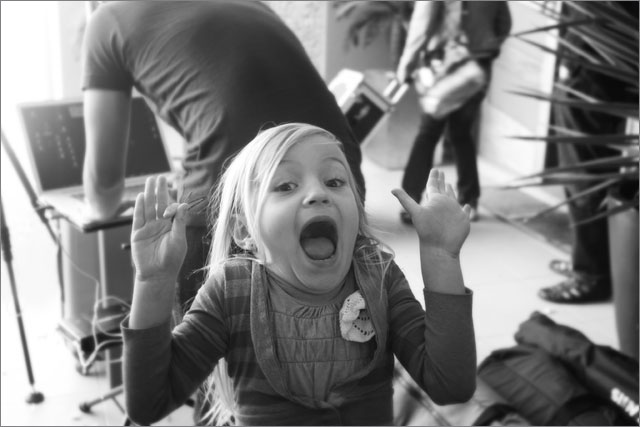
There’s a few moments that are going to happen on a photoshoot that you’re tempted to ignore because technically, they’re off brief. Let me tell you now … don’t. If they don’t take up too much shoot time, chase them for a moment. Just a moment mind you … if they’re too far left they’ll never get off the bench … but you might find the client likes a surprise.

6. B.A.S.I.C.S
I love rules because when you’re stressed, tired and perhaps a bit overwhelmed with beautiful bikini models (if this is the problem, call me, I can provide on-set help) … they are a great fallback that your brain can autopilot to avoid, at the very least, obvious mistakes. I use a very simple on-set checklist before the photographer starts pressing the button that I call B.A.S.I.C.S … which is pretty self explanatory:
Background
Check the background for clutter, reflections, people in shot, contrast against your talent and believability … i.e. how lived in or contemporary should your set be? Are you shooting a low, medium or high angle and where is the light coming from in the scene?
Assets
You’ll find that unless you are dealing with experienced talent, people struggle to know what to do with their hands. So ask yourself .. what props should your talent be using to convey their character, level of affluence or profession? What other objects should be visible or available to interact with? If you’ve written a script or storyboard of the shot, now is the time to check it.
Style
You’ll find the majority of problems once you start shooting will involve hair and awkward clothing. Long hair tends to get messy, medium gets fly-aways and short needs to be well styled. If the talent move around, keep an eye that the clothes don’t bunch up. Watch that your wardrobe doesn’t clash with the background and your talent has sufficient contrast in detailed scenes.
Interest
So you’ve got the background sorted, several talent in the shot, perhaps you’re going for a corporate scene … now what are the talent meant to be doing? Having a conversation? You need to tell them what they’re talking about, don’t put pressure on complete strangers to automatically have chemistry. Help them break the ice by telling them a role they can each own and some background about the scenario. Give them a few hints on what they can talk about or act out.
Colour
If you’re shooting for a specific brand you’ll typically have brand colours or a style guide that you need to follow. Identify no-go colours and tones that work to help your wardrobe choices and background palette. It’s a great idea in the first few days of shooting to drop some low-res shots into some applications to get a feel how the images sit against the brand colours. You want them to compliment each other … and you may find you need to warm up or cool down the overall tone, so check early and often.
Subject
Finally … who is central focus of the shot … what is the emotion or action they’re communicating … and how does the shot bring focus to that person. Even when two people are interacting or having a mock conversation, you typically need to single in on one of them, preferably the person whose eyes are visible if one of them is turned away. If both are at an equal level, know which one needs to be most prominent … and let your photographer know too.
7. The Buck Stops With You
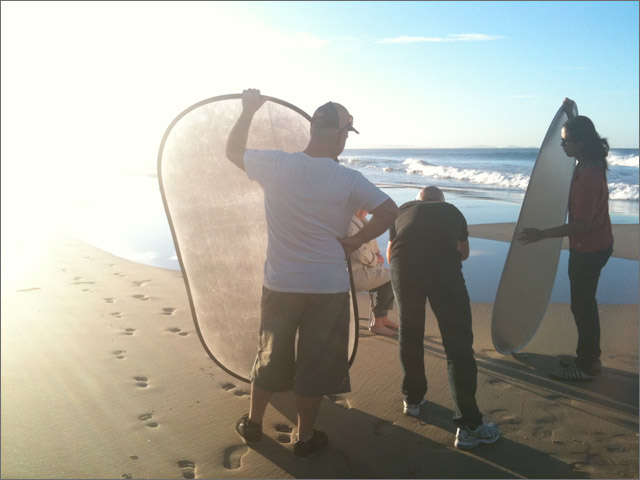
When the last day of the shoot is finished, you’ll suddenly find yourself alone in a dusty town, tumbleweeds rolling across the long hazy road whilst everyone runs for cover as the client steps out. There’s no one that can take your place at this moment … it’s your responsibility to ensure those shots were on brand, consistent in style and tone and stunning in execution. Otherwise, you make not be quick enough on the draw.
You must be logged in to post a comment.